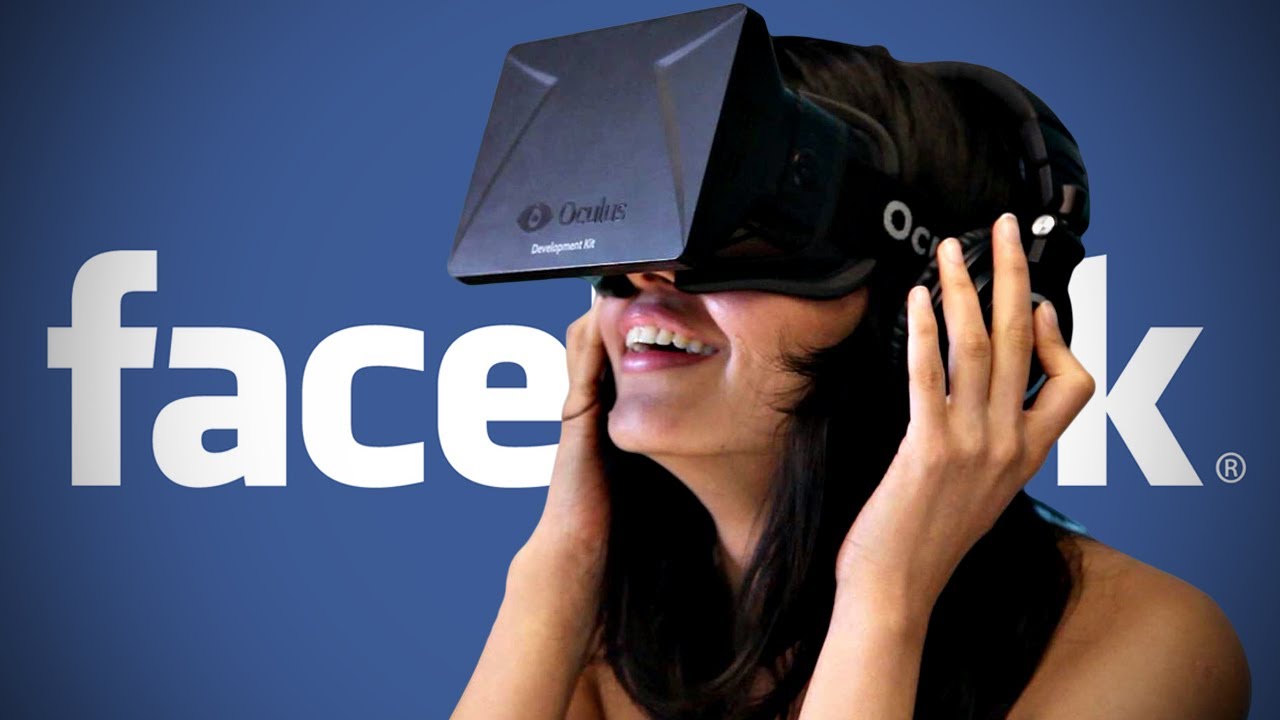
Video game company ZeniMax has recently won a legal battle with Facebook and Oculus after the jury at a Texas court found that the Oculus used the former’s virtual reality technology. Facebook now owns Oculus and that is the reason why it was the one which was sued by ZeniMax.
The Texas court has subsequently ordered Facebook and Oculus to pay ZeniMax $500 million settlement for using the ZeniMax code in the development of the Oculus Rift VR technology.
ZeniMax has claimed that Facebook and Oculus stole trade secrets from them and actually asked for $2 billion in damages. However, the jury said that they have found that Facebook and Oculus did not steal trade secrets during the development of the Oculus Rift but just the same used the company’s code in coming up with the VR technology.
Reports have said that Oculus will appeal the decision of the Texas court and it looks likely that Facebook would do the same but have yet to make a formal announcement of its plans for its legal battle with ZeniMax.
The jury also found out that Oculus co-founder, Palmer Luckey, broke a non-disclosure agreement with ZeniMax after leaving the firm to join Oculus, reports Wired of UK.
Happy with the result
At the end of the three-week trial, which saw Facebook founder Mark Zuckerberg being called to the stand, ZeniMax said it was happy with the result.
In a statement issued by ZeniMax chief executive Robert Altman, he said that their company is pleased that the jury has awarded ZeniMax $500m for defendants’ unlawful infringement of their copyrights and trademarks.
Apparently, the biggest portion of the payout relates to Luckey’s breaking of the confidentiality agreement. Although there are reports saying that the figure may decrease as litigation continues.
The company said it is now looking into a separate court order to limit Oculus and Facebook’s use of the code, and could, in theory, pursue commission on Oculus sales.
Can easily pay the damages
Meanwhile, a disgruntled spokesperson for Oculus responded by saying that the company will appeal the court order. He explained that the heart of the case was about whether Oculus stole ZeniMax’s trade secrets, and the jury found decisively in their favor.
Hours after the court revealed the outcome of the case, Facebook posted its latest quarterly earnings. During the final three months of 2016, the firm took $8.8 billion revenue as it grew its online reach.
The quarter was Facebook’s most successful ever and was led by advertising revenue. A statement said that mobile advertising revenue represented approximately 84% of advertising revenue for the fourth quarter of 2016, up from approximately 80% of advertising revenue in the fourth quarter of 2015.
The figure also means that Facebook can easily pay off the settlement and put a closure on the issue once and for all if it really wants to.
The social media platform had 1.23 billion daily users, on average, in December and 1.86 billion monthly active users. The figures represent an 18% and 17% respective increases in the year before.
On mobile, the number of monthly and daily active people accessing Facebook were 1.74 billion and 1.15 billion
The most contentious issue of the legal battle was whether key technologies used in the virtual reality headset were stolen from ZeniMax Media, the game’s publisher behind developers Bethesda, Arkane, and id Software. The public jury trial began in Dallas on January 9.
Zuckerberg’s call to testify came despite lawyers for Facebook arguing he should not have to answer questions on the company’s acquisition of Oculus; an argument which was dismissed by the judge, reports the Belfast Telegraph.
In August last year, ZeniMax directly accused id Software co-founder John Carmack of theft, claiming he stole data from the company before he left. ZeniMax also claims Carmack violated his employee agreement and confidentiality clauses with the company.