From having Intel as a supplier-partner for the processors of [easyazon_link keywords=”Mac laptops” locale=”US” tag=”masterherald-20″]Mac laptops[/easyazon_link] and notebooks, Apple is reportedly giving the chip manufacturing company a run for its money, on a smaller scale that is.
Reports have it that the American tech giant is now designing a new chip for its future Mac laptops and eventually take away its dependence on the functionality currently being offered by Intel’s processors.
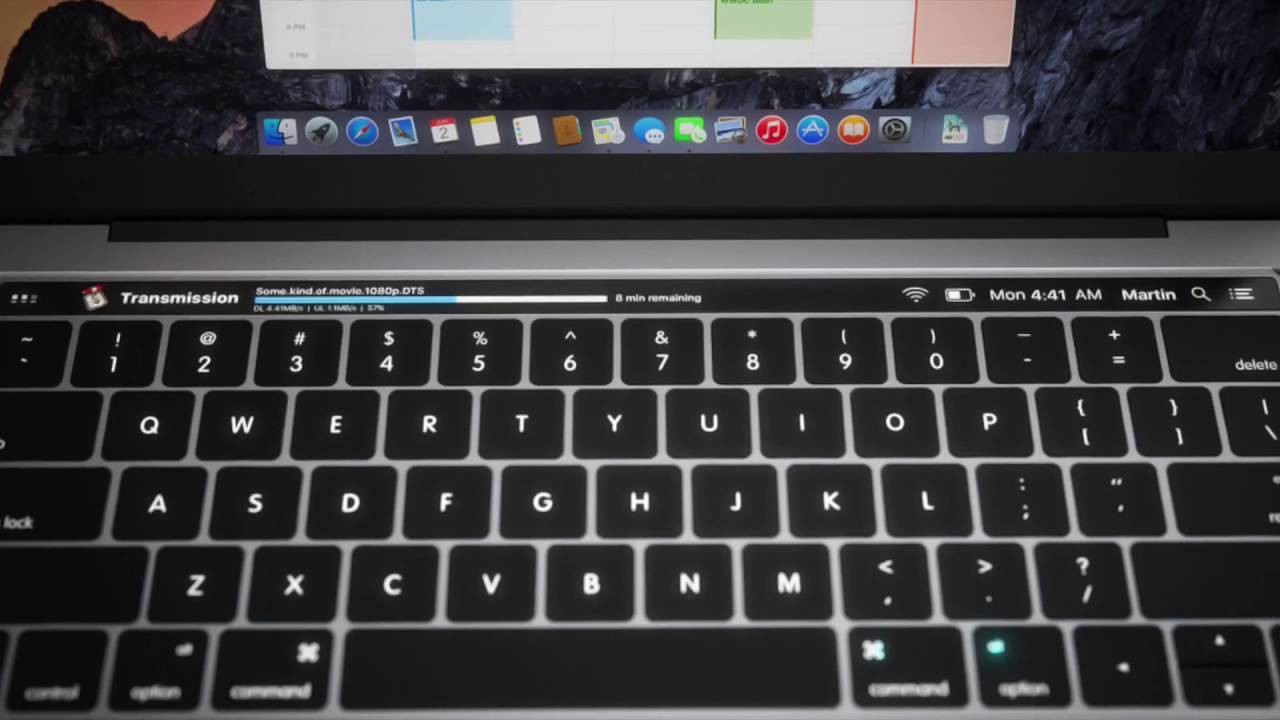
Accordingly, the new chip, which went into development last year, is similar to one already used in the latest MacBook Pro to power the keyboard’s Touch Bar feature, reports Bloomberg.
The updated part, internally codenamed as T310, would reportedly handle some of the computer’s low-power mode functionality,
Sources from Apple also claimed that the new chip is built using technology from ARM Holdings, Inc. and will work alongside an Intel processor.
Although Apple only accounted for 7.5% of worldwide computer shipments in the fourth quarter, according to data from IDC, the Mac line has long set the standard for design and component improvements
Its feature additions often start new technology trends that other manufacturers rush to follow. Apple and Intel both declined to comment on the reports.
Seeking independence from Intel processors
The development of a more advanced Apple-designed chipset for use within Mac laptops is another step in the company’s long-term exploration of becoming independent of Intel for its Mac processors.
Apple has used its own A-Series processors inside iPhones and iPads since 2010, and its chip business has become one of the Cupertino, California-based company’s most critical long-term investments.
The American tech giant’s first ARM-based Mac chip, known as T1, was introduced as part of the MacBook Pro update last October.
The chip powers the Touch Bar, a screen built into the keyboard that lets users access app shortcuts, system settings, and emojis as well as some security features such as the enclave that stores payment and biometric data tied to the computer’s fingerprint reader.
Using an ARM-based chip instead of an Intel one would further reduce power consumption. The T1 is solely dedicated to the Touch Bar, but the T310 would have more integration with other hardware components, such as storage and wireless components, notes Macworld
Benefits of having its own chipset
There are many benefits to creating its own processors including better hardware designs, improved integration of hardware and software, and a cost benefit.
However, critics believe that Apple will not drop Intel completely, at least in the near future. The direct benefit for the user is better battery life. Users have been quite vocal about their dissatisfaction with the battery life of the new MacBook Pro.
Since part of Apple’s product philosophy is to make smaller and lighter products, the company needs to find ways to extend the life of smaller batteries. ARM-based chip would help Apple achieve that goal.
There are also reports saying that Apple engineers are planning to offload the Mac’s low-power mode, a feature marketed as “Power Nap,” to the next-generation ARM-based chip.
The function allows Mac laptops to retrieve e-mails, install software updates, and synchronize calendar appointments with the display shut and not in use. The feature currently uses little battery life while running on the Intel chip, but the move to ARM would conserve even more power, according to sources.
The current ARM-based chip for Macs is independent of the computer’s other components, focusing on the Touch Bar’s functionality itself. The new version in development would go further by connecting to other parts of the Mac’s system, including storage and wireless components, in order to take on the additional responsibilities.
Given that a low-power mode already exists, Apple may choose to not highlight the advancement, much like it has not marketed the significance of its current Mac chip, the sources added.
Building its own chips allows Apple to more tightly integrate its hardware and software functions. It also allows the company to have more of a say in the cost of components for its devices.