There is a world-wide movement to make children’s school lunches healthier, and cut out all of the junk food children are eating on a daily basis. In the United States of America, the Healthy, Hunger-free Kids Act was signed by President Barak Obama and implemented in 2010. This act limits snacks to 200 calories and they have to be low in sodium, salt and fat.
This act has worked in synchronization with Michelle Obama’s movement to fight obesity in children and create healthier future generations where there may be a lack of healthy family meals at home.
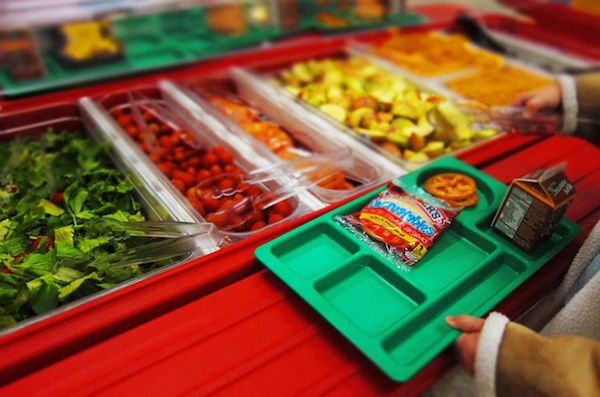
Over and above the snacks being made healthier, the school cafeterias are only allowed to serve whole-grain grains which are 100% wholegrain or, at least, 50% wholegrain, sodium has to be cut in half and a fruit or a vegetable has to accompany the meal.
While all of these ideas are great on paper and should lead to lowered obesity rates in America, the schools are running into problems and have started the push for relaxed nutrition standards.
Children are incredibly difficult to please and it has been difficult for schools to find food options that everyone will eat. The wholegrain breads haven’t been too much of an adjustment because they taste very similar to normal, white bread rolls.
However, wholegrain pasta has the tendency to cook differently and has a different texture to regular white flour pasta which has led to many children turning their noses up at the food.
The reduction in sodium has been a very slow process as well. The amount of sodium in food is slowly being reduced but the schools are concerned that a cut, by half, could result in children not eating the food that they provide.
If the food does not taste nice, the children will simply throw it away; the act has already cost the schools a lot of money on food that is ending up in the trash.
The biggest problem surrounding these changes is that children will refuse to eat, only to binge eat on junk food when they go home.
This style of eating is just as harmful to the health of children, and adults, as eating regular amounts of junk food throughout the day, and other children may simply opt to not eat anything at all– this has led to a push for relaxation in the new act.
 The strict 100% wholegrain grains has been lowered to 80% and the US government is funding work to create a better wholegrain pasta, the cut in the sodium content of the lunches is still scheduled to be cut in half.
However, the schools have been given more time to adhere to this law and the government will be looking into the effect that the sodium cut has on cost and product availability of foods.
The single serving of a fruit or vegetables is not due to change.
These changes will help the schools to make the required adjustments while having enough flexibility to find the cheaper options which the children will eat, ensuring that children are eating regular, healthy meals throughout the day.