The highly-anticipated and much-hyped arrival of Microsoft Windows 10 finally came on July 29, and as expected, it drew a warm reception to PC and mobile device users all over the world.
The Windows 10 is certainly a worthy successor to the much-maligned Windows 8, with favorable critical and very popular reception among majority of its users, notes Neowin.
Microsoft has apparently done a little bit more with its latest operating system by further polishing and improving the new build based on what users wanted and needed.
It also helped that as early as late last year, the Redmondian company already released the technical preview of Windows 10 before subsequently seeding to developers the beta version of the OS early this year.
The feedbacks and inputs from the users and developers were all utilized by Microsoft to enhance the OS so that when it finally came out, it was almost like a perfectly brewed coffee just waiting to be served.
A closer look on the new privacy policy
However, despite its superb features and various upgrades that it brought forth, a number of keen users have become skeptical of Microsoft’s new privacy policy that came with the Windows 10.
Many allude that the new policy, which was written in almost 12,000 words, is actually allowing Microsoft to spy on the users and their data. To the ordinary users of the OS, they usually do not bother reading the service agreement that comes with the software or whatever it is that they feed to their PC or their mobile device.
But a close scrutiny of one key excerpt of the service agreement revealed that Microsoft explicitly stated that it will access, disclose, and preserve personal data including the contents of e-mails or files in private folders. The same agreement also added that it will do the necessary procedure when the company needs to comply with law enforcement, prevent spam, maintain the security of their networks, or protect their rights or property.
The Independent of UK also reported that Microsoft, through Windows 10, can keep tab of user behaviour in order to flood the user with target advertisements, which many consumers will find uncomfortable, or worst, extremely annoying.
Having learned of such repercussion in using Windows 10, a good number of users have started expressing apprehension of upgrading to the latest Microsoft operating system despite its excellent features and usability.
A way out
For the skeptical users of Windows 10, there is actually a way out to go around the new Microsoft privacy policy and Rock Paper Shotgun has detailed it how.
Users can just proceed to the settings of their PC, their smartphone, or tablet and click on the Privacy and just tick off everything that looks dodgy or suspicious to them including apps and programs, location, contacts, messaging details, and camera, among other things.
One other thing that privacy-conscious users might wish to consider is turning off Cortana and its search functions. Although Cortana is one of the best features of Windows 10 because it logs past searches and provide suggestions and churned in more personalized search results, it has a bit of inside information on the preference of the users so it is also a privacy risk.
For users who are annoyed with personalized ads, they can just go to an external website and simply turn off the personalized ad options. Adverts of such type usually come to the device based on some stored data which Microsoft can then use to bombard the user with adverts of things that he or she has no intention of buying.
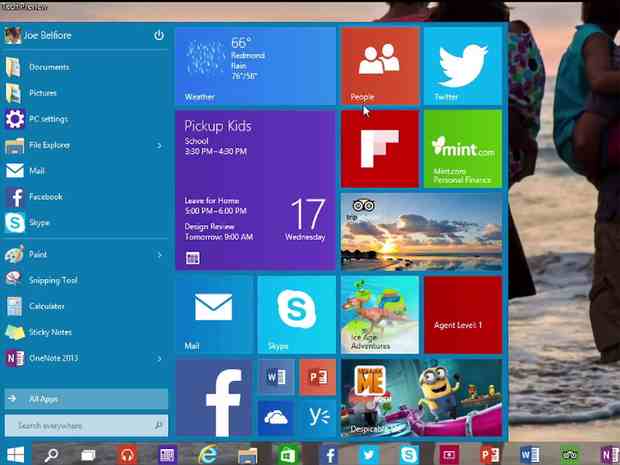
Three years after the launch of the much-maligned Windows 8, the Redmondian company believes that the key to its redemption is Windows 10. Though highly innovative and full of great futures, many people who have been so used to using Windows OS, were turned off by Windows 8 when it dumped the classic Start Menu for the Start Screen.