Toyota Motor Corporation has rolled out the Mirai FCV (fuel cell vehicle) on January 5 at the International Consumer Electronics Show (CES) 2015 in Las Vegas, which gave the Japanese automaker the unprecedented lead in the motoring industry’s race to the future.
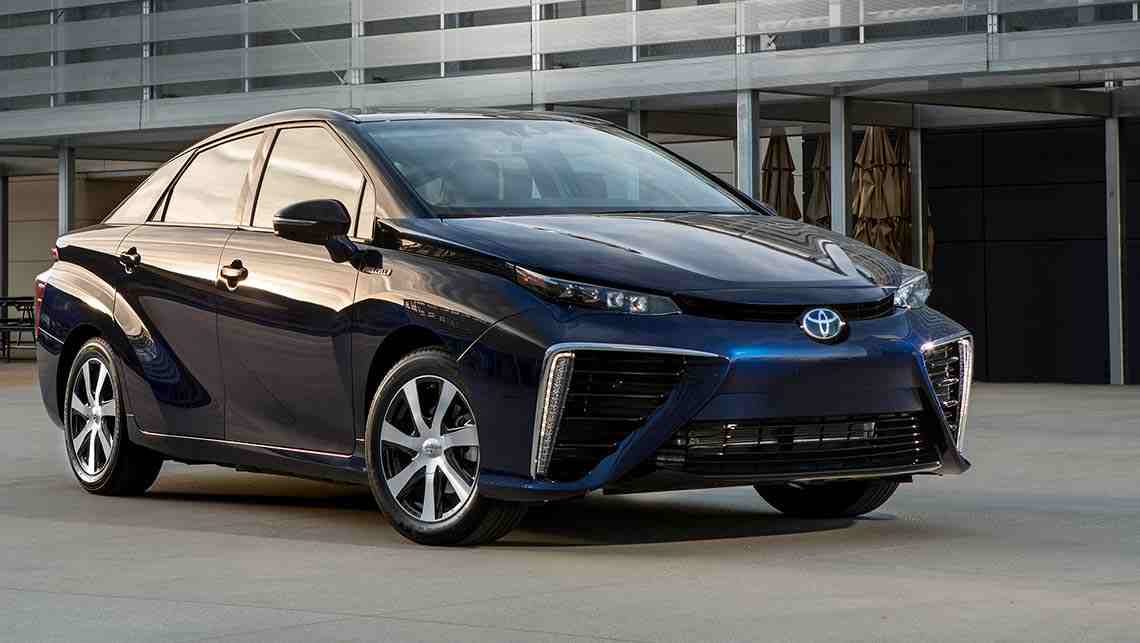
The Mirai, which means future in Japanese, is the world’s first hydrogen-powered car.
The Japanese automaker has brought physicist and futurist Michio Kaku at the International CES 2015 to explain the details of the Mirai and to chart the future of the hydrogen fuel cell technology in the world, reports the Washington Post.
Kaku says that the world has now entered the age of hydrogen and what Toyota has done with the unveiling of the Mirai is to pave the way for the creation of a hydrogen society.
He explained that the Mirai runs on fuel cell which has a range of 300 miles. It can also refuel in only three to five minutes. The scientist added that Mirai’s fuel cell can actually power a house for a week in case of emergency.
Mirai will become available in the US market in the fall of 2015 and upon its introduction, is expected to have a retail price in the range of $50,000 to $60,000.
Free patents to the technology
In a bold attempt to push forward the hydrogen fuel cell concept and the development of more fuel cell vehicles in the near future, Toyota has offered for free to rival automakers thousands of patents for the technology, notes the LA Times.
Bob Carter, senior vice president of Toyota, made the announcement at the International CES 2015 citing that the company believes that when good ideas are shared, a lot of great things can happen.
Toyota’s decision to offer free patents is nothing new in the automotive industry. Last year, Tesla also did the same to further the development of electric cars, and draw publicity as well in the process.
Carter said that the first generation fuel cell vehicles to be launched from 2015 to 2020 would require collaboration and concerted efforts from the players in the international automotive industry.
Toyota wants to make sure that the fuel cell technology takes off well and good that is why it has made the patents available for free up to 2020.
The company is making available a total of 5,680 patents to other automakers in the world to be able to develop, build, and market their respective fuel cell vehicles. Toyota is also extending the patents to parts suppliers, energy companies, and bus manufacturers.
About 70 of these patents are meant to or directly related to hydrogen fuelling stations, which Toyota believes will also kick-start the adoption of the technology in the global automotive industry and pave the way for the entry of more fuel cell vehicles.