The European Union (EU) voted on December 19 to extend by six months the economic sanctions that it has unilaterally imposed on Russia since July 2014 for its annexation of Crimea, which was originally part of Ukraine.
However, unlike the time when the EU member states all decided to agree in imposing the sanctions more than two years ago, it was no longer the same when they made the decision to extend the ban for an additional six months.
Political analysts claimed that the voting on the extension of the economic sanctions on Russia is a clear indication that there is now a crack in the European Union’ united front because countries no longer share common views and sentiments, especially against Russia.
The EU has been under scrutiny since the UK has already made its intentions known that it would be leaving the membership in a few years time, which has become known worldwide as Brexit a few months ago.
No longer united compared to the past
Interestingly, when the voting for the extension of the economic sanctions on Russia was made, reports claim that there was only token opposition.
However, there are also reports saying that the EU member countries of France, Italy, Greece, Hungary, and the Czech Republic have been very outspoken in their desire to roll back or ease sanctions against Russia, reports World Politics Review.
Analysts believe that it has something to do with how Russia has positioned itself as an emerging economic power both in Europe and Asia under the leadership of Prime Minister Vladimir Putin.
On the opposite side of the spectrum of the voting is the hard line position of continued economic sanctions against Russia from EU countries like Germany, the UK, Sweden, Finland, Estonia, Latvia, and Lithuania.
But EU has 28 member states in all and to see that only seven of them are vouching for a decision which they all made as one more than two years ago, and getting at least five who believe that it is about time to ease the sanctions, a crack in the European Union’s position is obviously showing.
And it looks like it will not only be in the decision on the extension of economic sanctions against Russia where they will be divided. Political analysts believe that the crack would show all the more as the EU moves forward especially after the extension of the economic sanction ends after six months or when Brexit finally happens.
A growing division
Last month, there were reports saying that there is now a disunited states of Europe as the decision to deal with Vladimir Putin has caused a growing division among the countries highlighted by their almost ceaseless bickerings.
They have talked about how the EU should deal with Putin and the decision was a split. The result of the vote, and the stark geographical divide it prompted is a clear indication of the growing influence of Eastern European nations in Brussels at the expense of the union’s founding members.
The only nation in Eastern Europe to vote against the measure was pro-Moscow Bulgaria, where politicians sympathetic to Russia are on the march and the EU’s popularity is waning, details the Express of UK.
Unsurprisingly, the highest level of support for the proposal was in the Baltic states and Poland, where there are growing fears about Putin’s saber rattling in Europe.
In contrast, the strongest opposition was in France, Italy and Greece, three countries which have openly called for Brussels-led sanctions against Russia to be watered down or even scrapped.
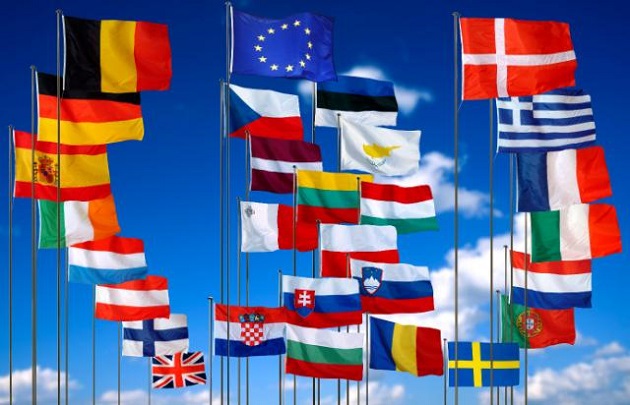
The EU slapped an embargo on Moscow, which included asset freezes of prominent government members, in response to Putin’s meddling in Ukraine and the annexation of the Crimean peninsula.
Meanwhile, EU attempts to put up a united front in the face of Brexit was shattered back in September after a crisis summit in Bratislava ended with EU leaders refusing to share a stage together and in open disagreement over immigration and austerity.